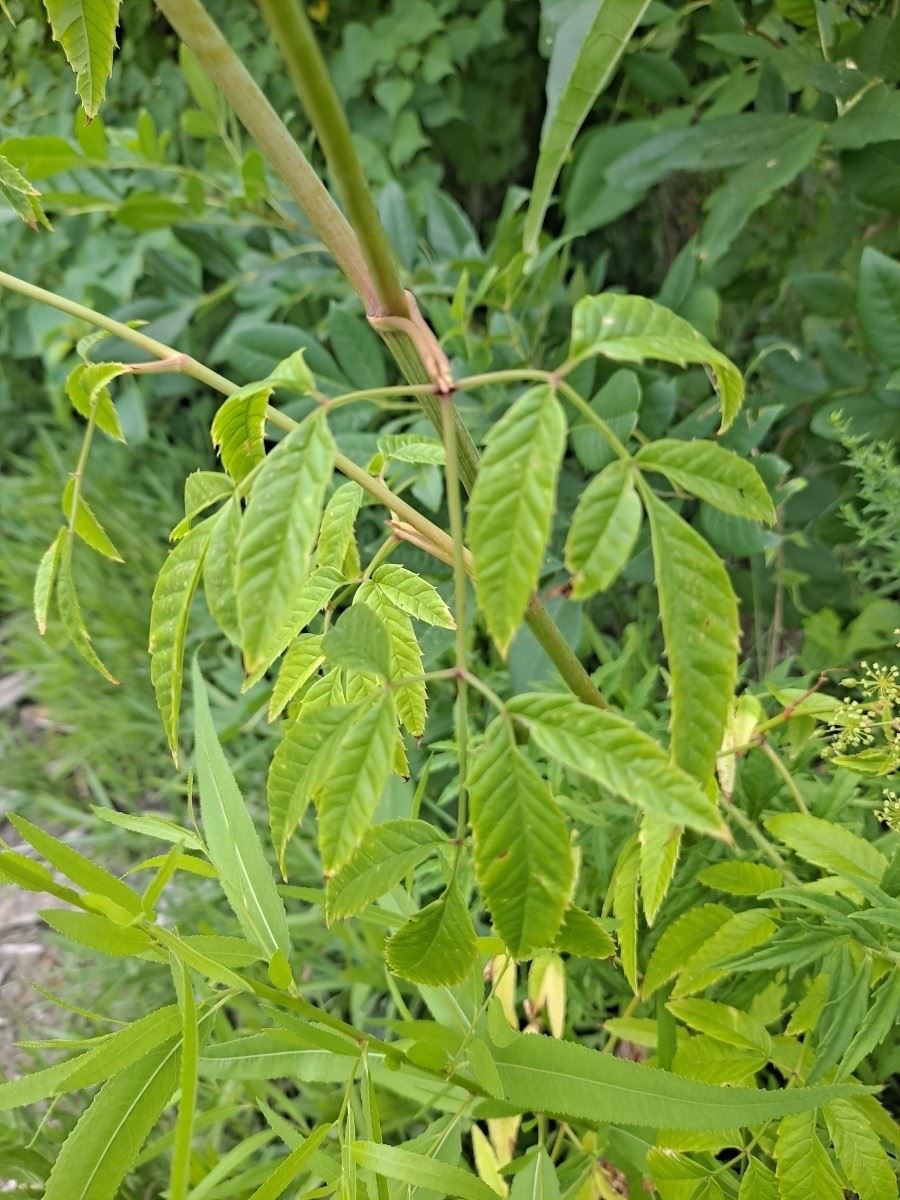
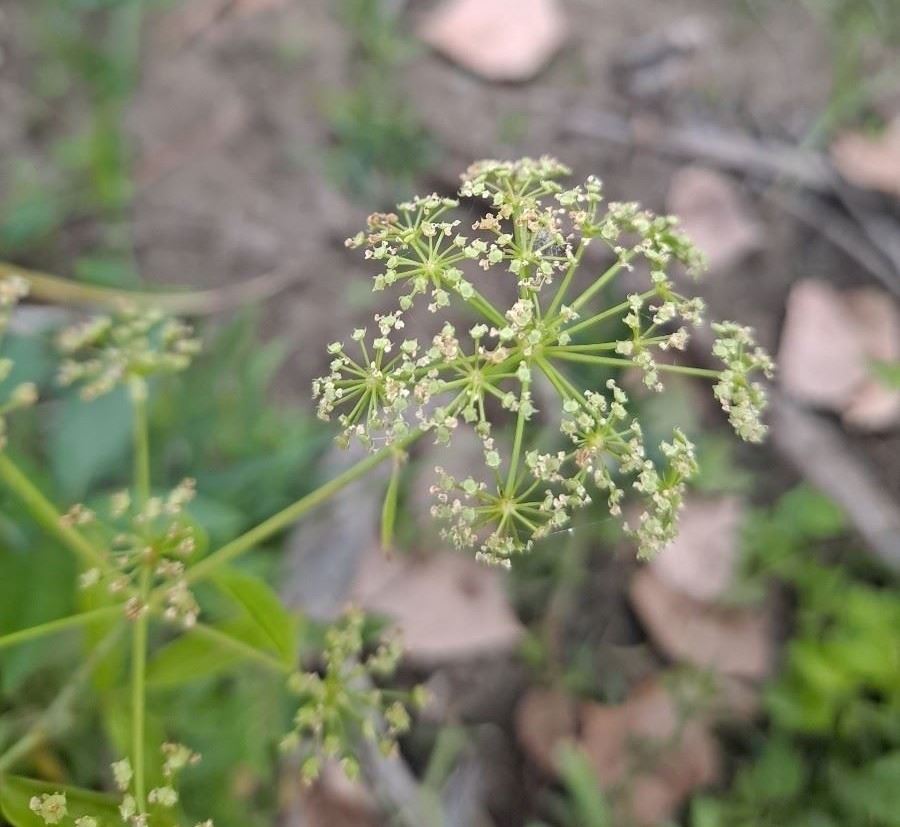
As summer approaches, Dallas Park and Recreation is actively monitoring and treating the presence of water hemlock along the shores of White Rock Lake. Water hemlock is a toxic invasive plant that causes serious health risks to people and pets.
In response to the presence of water hemlock, Dallas Park and Recreation is applying targeted chemical treatments in select shoreline areas. The spot treatments are expected to take no more than two days and the department will continue to monitor the treated areas for several weeks. Once the water hemlock begins to wilt, its toxicity drops quickly.
Visitors should not touch or remove any plants near the shoreline and should keep pets leashed and away from shoreline vegetation. To report suspicious plants, call 214-670-1923 or dial 311.
Water hemlock’s resemblance to the harmless Queen Anne’s Lace makes it dangerous to visitors not aware of the differences between the two plants, said Brett Johnson, Dallas Park and Recreation’s conservation manager.
Johnson offers ways to distinguish between the two plants. Queen Anne’s Lace blooms from March through May and while water hemlock blooms usually from late May through July. Water hemlock thrives in wet environments such as lake edges, creeks, and marshy ground and Queen Anne’s Lace prefers drier areas like open fields and roadside edges.
The stems of water hemlock are thick, hollow and display purple blotches while Queen Anne’s Lace feature thin, hairy green stems. Water hemlock has fern-like, glossy, and sharply toothed leaves and Queen Anne’s Lace has a more finely divided foliage